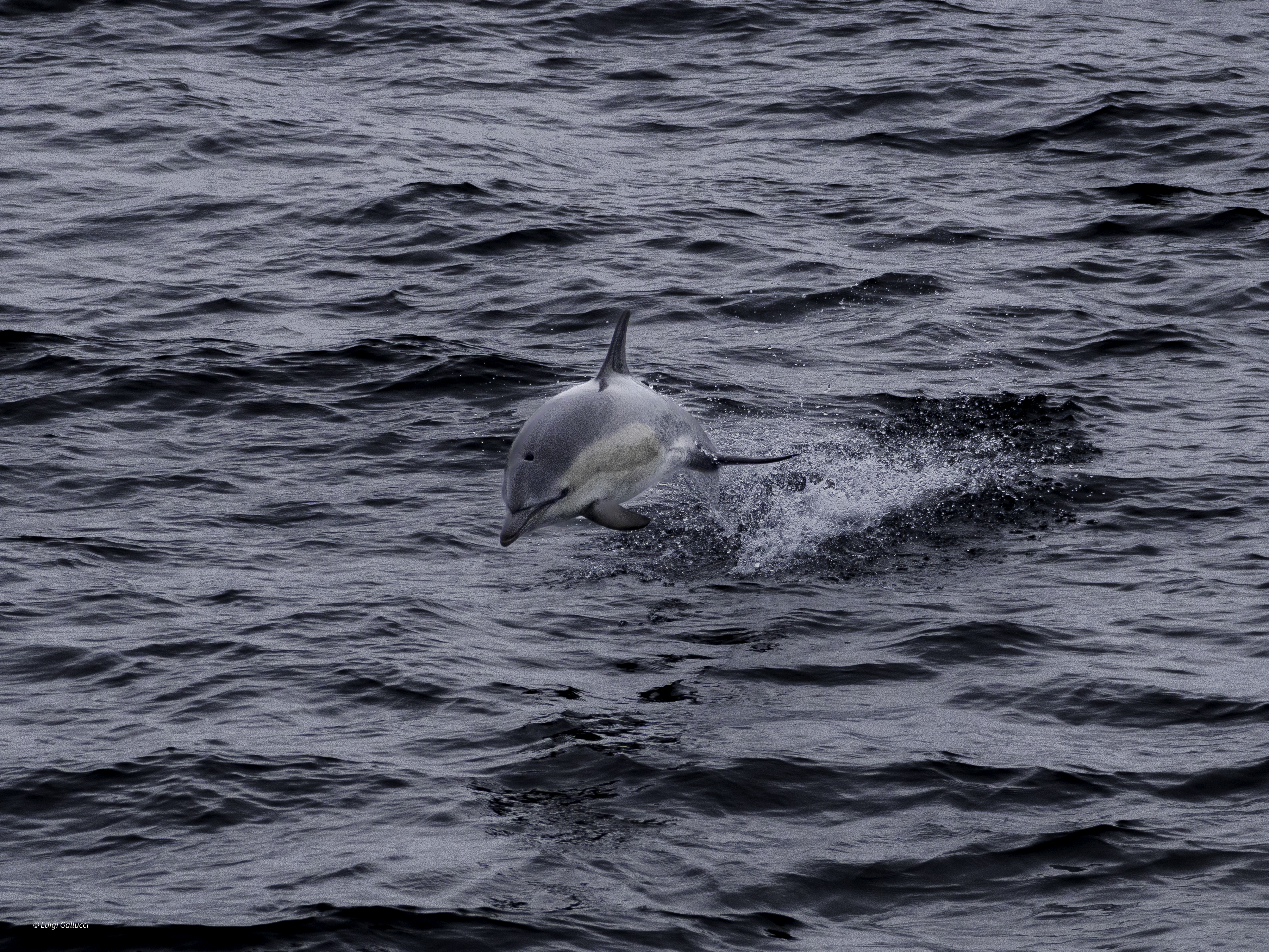
Word of mouth. That is exactly how I have ended up several times in situations where I never imagined I would be. It is the same way I was invited last year to take part in a cruise with a group of people I had never collaborated with before. From the start, it was clear that the purpose of the trip was to explore, taking potential failure into account. The goal? To find new deep hydrothermal vent fields. Finding a new hydrothermal field is a bit like developing a new molecular method. You will find yourself competing with decades (actually not that many) of “new is better, but the old one already works,” and if you are lucky, your name ends up in the hall of fame of those who found one, and maybe someone gives you a pat on the back.
The excitement, in any case, was high. My first cruise in the Arctic would bring me closer to those places from which I have received samples for some of my work, but where I had never been personally. Word of mouth. 1 year. Then you end up sailing in the Arctic in search of hydrothermal vent fields—a dream. The atmosphere on board was completely different from what I was used to on German research vessels. Irish, this time. A different way of working, but equally pleasant.
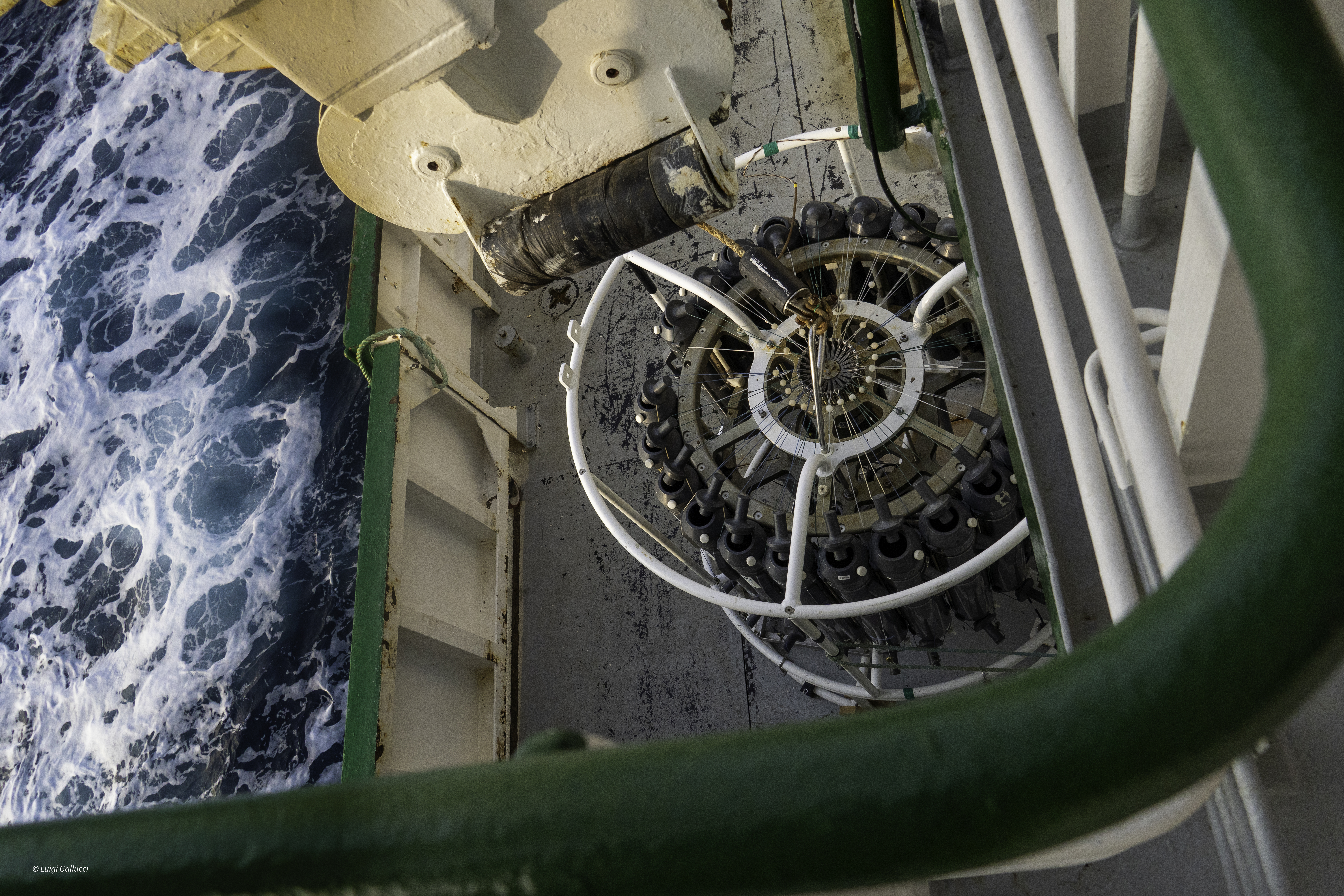
It didn’t exactly go as we thought it would. We didn’t find new hydrothermal vent fields, plumes, or extinct chimneys. We were tempted by oceanographic data that showed us geochemical ghosts (instrumental artifacts) in the water column. We were uncertain whether technical problems with our sophisticated exploration machinery would allow us to collect samples. We followed clues of ancient scars that the ocean floor carries upon itself. Eruptions, settlements, earthquakes. Everything written on the seafloor and available to anyone who wants to read it, without falling into the bias of judging a book by its cover.
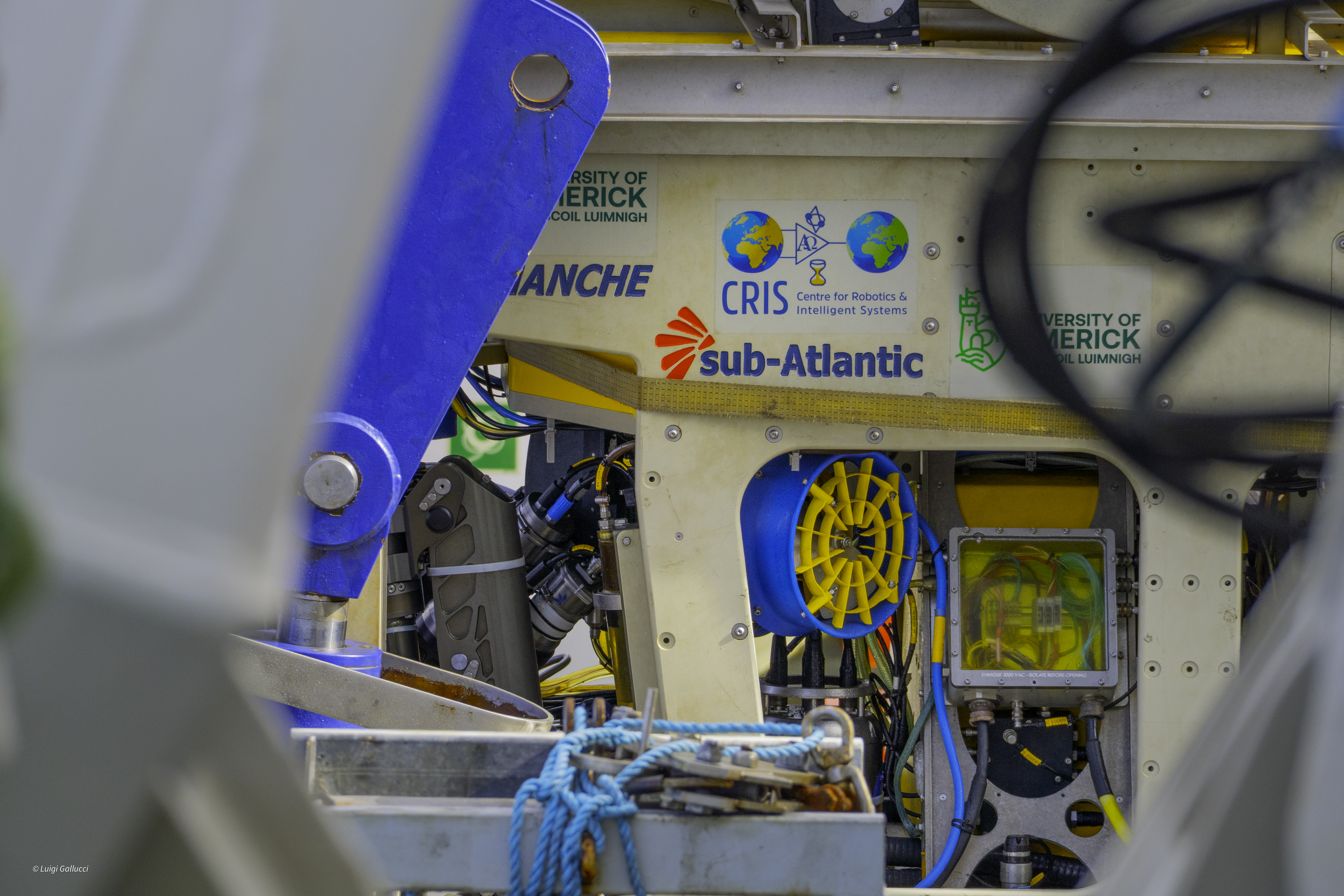
Yes, sometimes in research, we judge a book by its cover. A neglected topic, a bit mistreated. An uninteresting sample, forgotten. Unexpected, unhypothesized data. We are also capable of letting ourselves be influenced by the idea we formed about a project, ending up with an apparent nothing. This is something I don’t like. Not that I mean to say it is a recurring scientific practice, but it is human. Researchers are human, and it’s easy to get discouraged by an apparent nothing. So I’ll tell you what we didn’t expect to find instead.
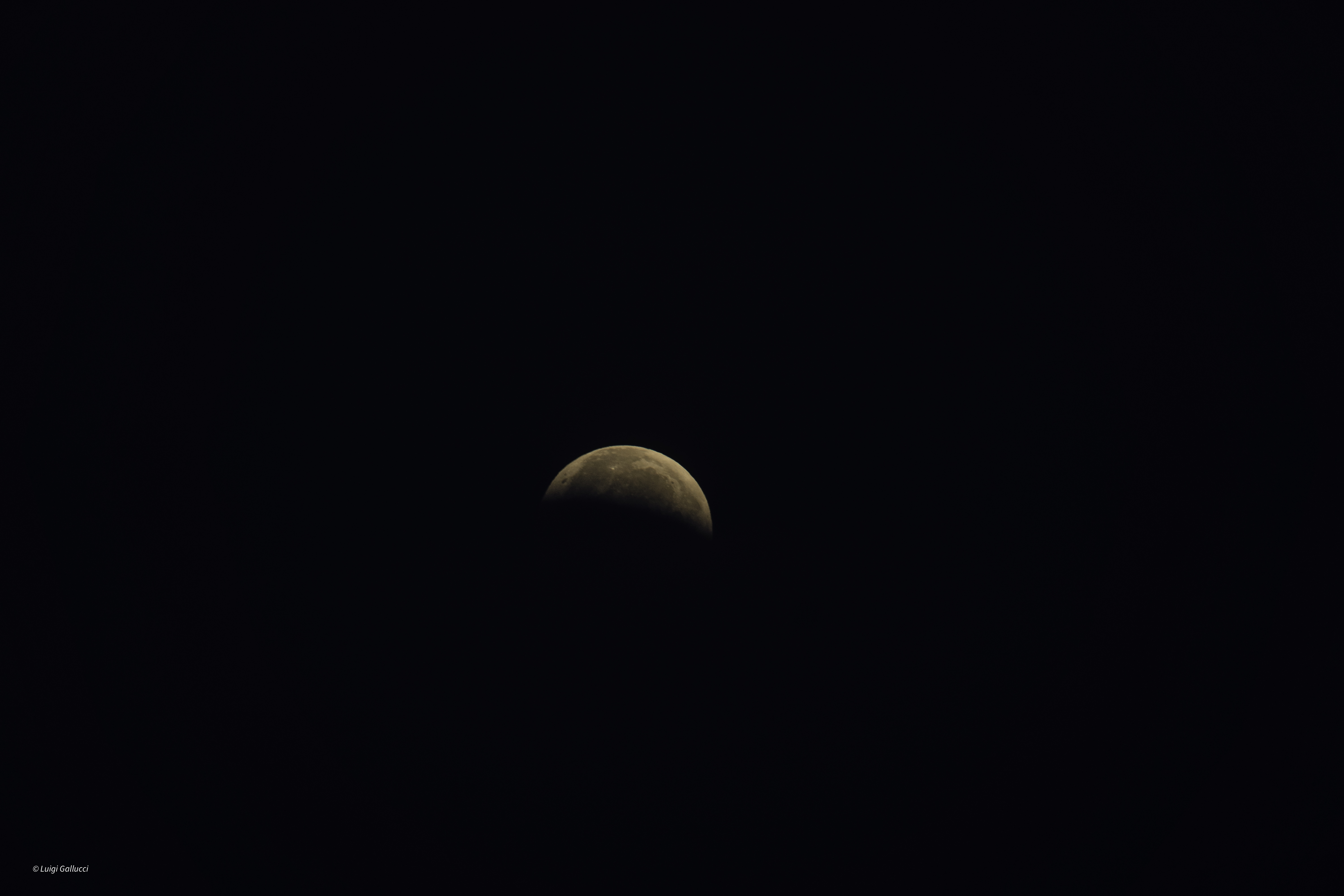
Expanses of sea pens, sponges, corals. Life where long ago there was bare rock. We were surprised by biological phenomena we didn’t expect, and which I hope you will hear about soon. We collected data to study upwelling and understand how Atlantic and Arctic currents meet and influence the food web. We explored old mountain ranges, small ocean ridges, faults, old destroyed calderas, plateaus, guyots. I am particularly fascinated by the diversity of terms that geology holds. We even found a deep ocean trench. We let ourselves be captivated by a lunar eclipse, after having missed the solar one on land.
And then moving slightly towards Iceland, we found several volcanic structures. Exploring everything would have been impossible, so we limited ourselves to doing what we could in a very limited amount of time.
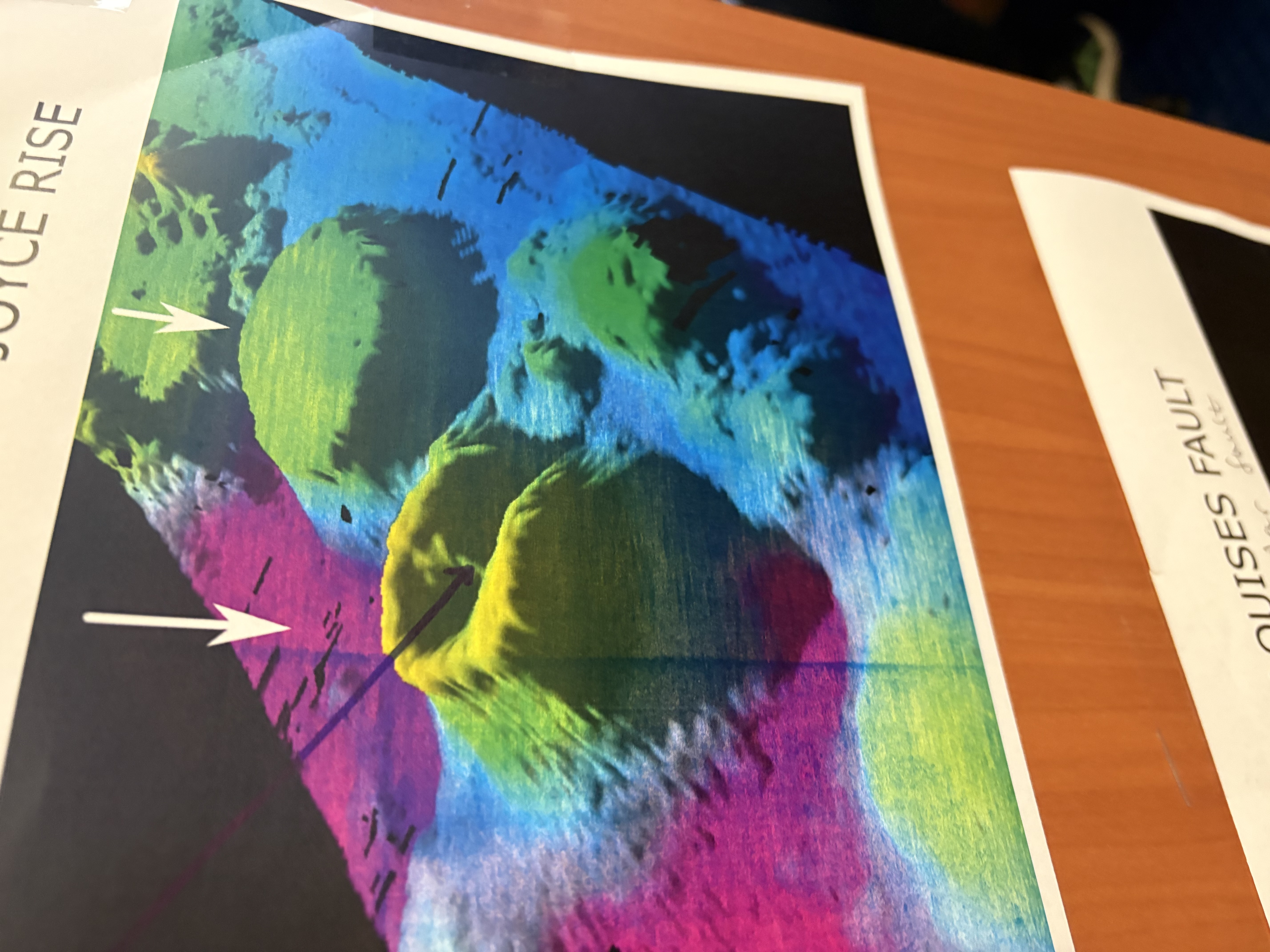
We bring home clues, unexpected data, interesting hypotheses, and lots and lots of work to do to add another piece to what we don’t know about these systems. Meanwhile, with this writing, I am just adding another report to the infinity of scientific accounts you can find online, hoping to one day tell you more about what we didn’t find in these cold, isolated systems.